 Donate now
 Get a Call Back
 MENU
MENU 15 MIN READ
 SHARE
SHARE


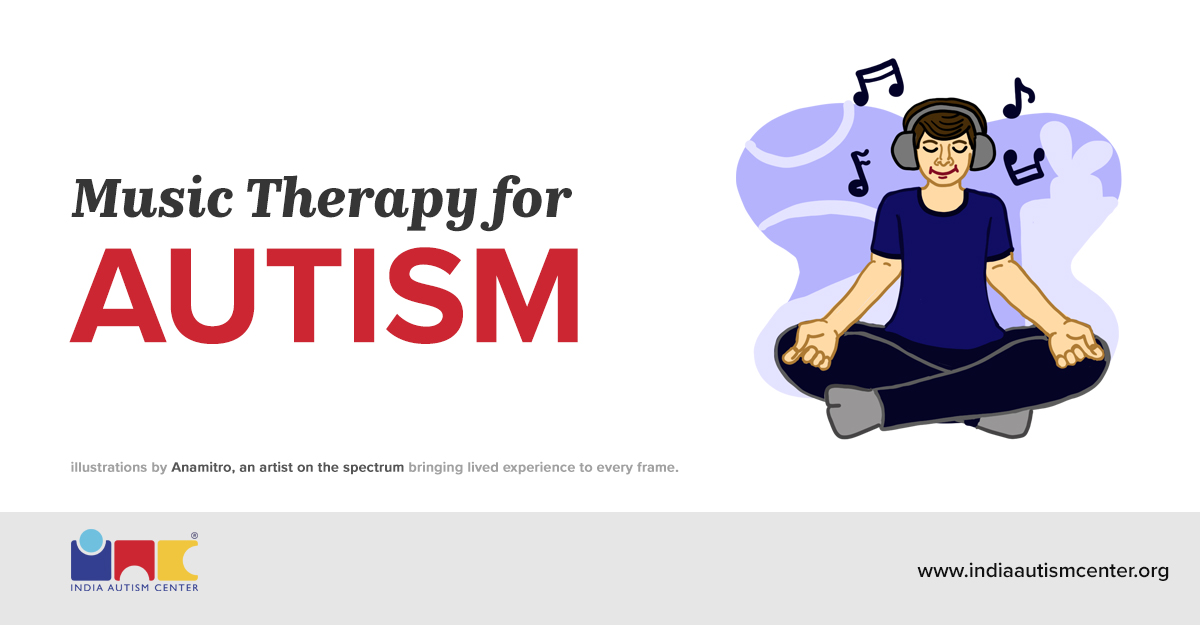
When we talk about music therapy for autism, we mean the clinical and evidence-based use of music by a trained music therapist to support communication, emotional expression, learning, and social skills. Music therapy for autism spectrum disorder (ASD) is not simply playing songs for enjoyment. It is a structured therapeutic process where music becomes a tool for development.
As a parent, you may notice that your child responds to sounds, rhythms, or melodies even when speech feels difficult. That natural connection to music is what music therapy builds upon. Through rhythm, melody, and repetition, children can practise skills in a way that feels safe and motivating.
Why Music Therapy for Autism Works
Music engages multiple areas of the brain at once. It activates language centres, motor planning, attention, and emotional processing together. This is one reason why the benefits of music therapy for autism are so wide-ranging.
Children with autism often struggle with sensory regulation, social interaction, and verbal expression. Music offers structure without pressure. It creates predictable patterns while still allowing creativity. For many children, this balance feels comforting.
The Science Behind Music Therapy and Autism
Music is a universal language that activates many parts of the brain, including those involved in communication, emotions, and motor skills. When a child with autism engages in music therapy, these areas are stimulated, creating opportunities for growth and development.
There is an interesting concept called “mirror neurons” that comes into play with music therapy. These brain cells fire when we observe someone else’s actions, helping us understand and connect with them. Music therapy can activate these mirror neurons, fostering empathy and social interaction in children with autism.
Want to know more? Get in touch with us.
Getting Started with Music Therapy for Your Child
Now that you’re excited about the potential of music therapy, the next step is finding the right therapist for your child. Look for a board-certified music therapist (MT-BC) who has experience working with children on the spectrum. These therapists have undergone rigorous training and possess the expertise to create personalised music therapy plans.
The initial assessment will involve a conversation with you about your child’s needs, preferences, and any specific challenges they might face. The therapist will also spend time getting to know your child through musical play and activities. This initial assessment helps the therapist tailor the music therapy program to achieve the best possible results.
Types of Music Therapy Interventions for Autism
Music therapy offers a diverse toolbox of techniques that can be customised for each child. Here is a closer look at some common approaches:
Improvisational Music Therapy
This interactive approach involves creating music together with the therapist. The therapist acts as a musical guide, using instruments, vocals, or even body percussion to create spontaneous melodies and rhythms.
Your child joins in, adding their own sounds and ideas to the musical conversation. This playful and interactive environment fosters communication, turn-taking skills, and self-expression as children collaborate and express themselves freely through music.
Receptive Music Therapy
In receptive music therapy, the therapist becomes a musical curator, using music to achieve specific goals for your child. It’s like choosing the perfect soundtrack for a particular situation. Soothing music with slow tempos and gentle melodies can be a powerful tool during meltdowns or stressful situations.
The therapist might use calming nature sounds, classical music, or even create instrumental lullabies specifically tailored to your child’s preferences. Does your child struggle to concentrate? Receptive music therapy can utilise music with predictable rhythms and clear structures. These elements can help improve focus and attention skills in a stimulating yet organised way.
Songwriting and Lyric Analysis
This technique empowers children to express themselves through the written word and the power of music. The therapist acts as a guide, helping them create songs about their experiences, emotions, or favourite things. Songwriting can be a powerful tool for communication, social interaction, and self-awareness. Putting emotions and experiences into words, even through simple lyrics, can enhance communication skills.
Group Music Therapy Sessions
The social aspect of music therapy can be incredibly beneficial for children with autism. Group music therapy sessions provide a safe and supportive environment where participants can interact with others, learn from peers, and develop teamwork. Music creates a common ground, allowing children to connect with others through shared musical experiences. Observing and participating with other children can provide valuable social cues and promote positive social interaction, while group music activities often involve collaboration, fostering a sense of teamwork and belonging.
Incorporating Instruments and Sounds
Music therapists go beyond traditional instruments, using a variety of soundscapes and objects to create a rich sensory experience by incorporating instruments and sounds. This exploration allows children to develop self-expression by experimenting with different instruments and sounds. Exposure to various textures, rhythms, and sounds can help children develop sensory processing skills in a controlled and engaging way. Playing instruments or participating in movement activities to music can also enhance motor skills and coordination.
Benefits of Music Therapy for Autism
The benefits of music therapy for autism go beyond enjoyment. They support development across several key areas.
- Improved communication skills: Music encourages vocal sounds, words, and gestures. Children learn to take turns and imitate sounds in a natural way.
- Better emotional expression: Music provides a safe outlet for feelings. Children who struggle to name emotions can express them through sound and movement.
- Enhanced social interaction: Group music activities teach sharing, waiting, and joint attention. These are essential social foundations.
- Reduced anxiety and stress: Familiar songs and rhythms can calm the nervous system. This helps children feel secure during therapy.
- Improved motor coordination: Clapping, tapping, and moving to music strengthen fine and gross motor skills.
- Increased attention and memory: Repetition in songs supports learning and recall. Children remember words and routines more easily through melody.
- Support for sensory integration: Music can be adjusted in volume, tempo, and texture to match a child’s sensory needs.
At India Autism Center (IAC), we track these outcomes carefully. Our team combines music therapy with speech therapy, occupational therapy, and behavioural support to create a holistic programme.
Want to know more? Get in touch with us.
Music Therapy for Children with Autism: How Sessions Work
Music therapy for children with autism follows a structured yet flexible format. Each session begins with a familiar welcome song. This builds predictability and reduces anxiety. Then, the therapist introduces activities based on the child’s goals.
A session may include singing, instrument play, movement, and listening activities. Children are encouraged to participate at their own pace. There is no pressure to perform.
At IAC, we design sessions around the child’s interests. If your child loves trains, we may use train-themed songs. If they enjoy animals, we bring animal sounds into music activities. This keeps engagement high and learning natural.
Parents are often surprised by how quickly children respond to music-based interaction. Even children who are non-verbal may begin to hum, tap, or gesture during sessions.
Practical Applications of Music Therapy Techniques at Home
The power of music therapy doesn’t have to be confined to therapy sessions. Here are some ways you can incorporate music therapy techniques at home:
Create Calming Playlists
If your child tends to get overwhelmed easily or struggles with regulating their emotions, curating calming playlists can be a valuable tool. Select songs with gentle melodies, soft vocals, and slow tempos to create a soothing auditory environment. These playlists can be especially helpful during times of stress, such as meltdowns or before bedtime, to help your child unwind and find relaxation through music.
Move and Groove
Music naturally inspires movement, making it an excellent motivator for physical activity. Use familiar songs with catchy rhythms and upbeat melodies to encourage your child to dance, march, or engage in simple movement activities. Whether it’s clapping along to the beat, stomping their feet, or swaying to the music, these movement-based activities not only promote gross motor skills and coordination but also provide a fun and enjoyable outlet for physical expression.
Sing Along Together
Singing familiar songs together is not only a joyful bonding experience but also a valuable opportunity to practice communication and social interaction skills. Choose songs that your child enjoys and sing along together, whether it’s during car rides, bath time, or while doing household chores. Encourage your child to join in the singing, clap along to the rhythm, or even make up their silly lyrics. This playful and interactive approach to singing fosters creativity, strengthens parent-child bonds, and promotes language development.
Stay Consistent
Consistency is crucial when incorporating music therapy techniques into your daily routine. Aim to make music a regular and integral part of your child’s day-to-day activities, whether it’s listening to calming playlists before bedtime, having spontaneous dance parties in the living room, or singing together during meals. By consistently integrating music therapy techniques into your home environment, you can amplify the benefits your child experiences in formal therapy sessions and create a supportive atmosphere that nurtures their growth and well-being.
Personalised Music Therapy Programs for Different Needs
Music therapy possesses a remarkable ability to adapt and cater to the unique needs of each individual. By harnessing the power of music, therapists can craft personalised programs that address a wide range of challenges faced by children. Here’s a closer look at how music therapy can be tailored to meet different needs:
Social Anxiety
For children grappling with social anxiety, group music therapy sessions offer a gentle entry point into social interaction. Within the supportive ambience of a music therapy group, children can engage in musical activities that foster connection and camaraderie. Through collaborative music-making, they can gradually build confidence in expressing themselves and interacting with others, all while enjoying the shared experience of creating music together.
Sensory Sensitivities
Children with sensory sensitivities may find certain sounds overwhelming or distressing. In music therapy, therapists skillfully curate calming soundscapes and select instruments that create a soothing and sensory-friendly environment. By incorporating elements of rhythm, melody, and harmony in a gentle and controlled manner, therapists can help children explore and engage with music comfortably, fostering a sense of relaxation and safety.
Communication Difficulties
For children who struggle to express themselves verbally, music therapy offers alternative avenues for communication. Through singing, playing instruments, or co-creating songs with their therapist, children can convey emotions, thoughts, and experiences in a nonverbal and expressive manner. Music becomes a universal language through which they can connect with their therapist and communicate their inner world, facilitating emotional expression and connection.
Motor Skill Development
Music therapy provides a dynamic platform for improving motor skills, both gross and fine. Therapists integrate movement activities, such as dancing, drumming, or playing rhythmic instruments, into the therapy sessions. These activities not only promote physical coordination and control but also encourage children to explore and experiment with movement in a playful and engaging way. Through music-based movement interventions, children can develop and refine their motor skills while having fun with music.
Focus and Attention
Children who struggle with maintaining focus and attention can benefit from music therapy programs designed to enhance concentration. Therapists utilise specific rhythms, musical structures, and interactive activities to captivate the child’s attention and stimulate their cognitive engagement. By synchronising movement with rhythm or participating in rhythmic improvisation exercises, children can strengthen their ability to sustain attention, regulate impulses, and stay focused on the therapeutic tasks at hand.
Tracking Progress and Adjusting the Music Therapy Plan
As your child starts participating in music therapy, it’s essential to keep a close eye on their progress. This doesn’t necessitate formal assessments or tests; rather, it involves keen observation of the positive changes that unfold over time. Pay attention to subtle shifts in their behaviour, emotions, and interactions during and after music therapy sessions.
One significant aspect to observe is whether your child is becoming more comfortable expressing themselves through music. Notice if they are more willing to engage with instruments, experiment with sounds, or even start to create their own melodies. This newfound sense of musical expression can serve as a powerful outlet for their emotions and thoughts.
Another indicator of progress is the level of relaxation and focus your child exhibits during sessions. Music has a unique ability to calm the mind and body, and as your child becomes more familiar with the therapeutic process, you may notice them becoming increasingly at ease and attentive during sessions. This heightened focus can enhance the ability to absorb the therapeutic benefits of music.
Communication skills are another area where you may see improvements. Whether it’s through singing, playing instruments, or engaging in musical activities with others, music therapy provides ample opportunities for your child to practice communication in a supportive and non-threatening environment. Keep an eye out for any signs of enhanced verbal or nonverbal communication, such as increased eye contact, clearer speech, or more expressive gestures.
Additionally, observe whether your child is showing more interest in social interaction within the context of music therapy. Music has a unique way of fostering connections between individuals, and your child may begin to seek out opportunities to collaborate with others, share their musical creations, or simply enjoy making music together. These social interactions can be invaluable for building confidence, fostering friendships, and improving overall social skills.
Overcoming Challenges in Music Therapy for Autism
It’s natural to have some concerns about starting music therapy for your child. Here’s a breakdown of some common challenges and how experienced music therapists navigate them:
Resistance to Trying New Things
- Social Anxiety: Children with social anxiety might feel apprehensive in new environments. The therapist will create a safe and welcoming space, focusing on building trust and rapport first. Music can be used as a bridge to connect with the child, using familiar songs or instruments to ease them into the experience.
- Sensory Sensitivities: Loud noises, unfamiliar textures, or bright lights can be overwhelming for children with sensory sensitivities. The therapist will create a sensory-friendly environment, using calming soundscapes, soft lighting, and instruments that cater to the child’s comfort level.
Uninterest or Resistance During Sessions
- Understanding the “Why”: Sometimes, children might appear uninterested because they don’t understand the purpose of music therapy. The therapist can explain the benefits in simple terms and involve the child in setting small goals for each session.
- Finding the Right Fit: Not all music therapy techniques resonate with every child. The therapist will be flexible, trying different approaches and instruments until they discover what sparks the child’s interest and engagement.
- Positive Reinforcement: Celebrating small victories and progress is crucial. The therapist will use positive reinforcement to motivate the child and create a sense of accomplishment, making music therapy a rewarding experience.
Progress in music therapy is not always a straight line. There might be days when your child seems resistant or withdrawn. Be patient, trust the therapist’s expertise, and focus on the long-term benefits. Music therapy can unlock a world of possibilities for your child, and with the right approach, it can become a joyful and enriching journey.
Want to know more? Get in touch with us.
Music Therapy for Autism at India Autism Center
At India Autism Center, we believe therapy should feel meaningful. Our music therapy programme is part of a comprehensive support system for children and families.
We offer:
- Individualised music therapy plans based on assessment
- Integration with speech and occupational therapy
- Parent guidance and training sessions
- Sensory-friendly therapy environments
IAC makes music therapy for autism possible by combining professional expertise with compassionate care. Our centre provides safe spaces where children can explore sound without fear of judgement.
We also focus on long-term development. Our goal is not only to improve therapy skills but also to enhance quality of life.
Conclusion
Music therapy for autism offers a unique path to communication, emotional expression, and learning. It respects each child’s individuality while supporting development.
When you understand what music therapy for autism is, you also understand its value as part of a larger support system. The benefits of music therapy for autism include better social skills, reduced anxiety, and stronger emotional bonds.
At India Autism Center, we make music therapy for autism possible by creating personalised programmes, training families, and working as a team. Together, we help children find their voice through music.
If you are considering music therapy for children with autism, remember that progress takes time. With patience, guidance, and consistent support, music can become a powerful tool in your child’s journey.
Frequently Asked Questions (FAQs)
What is music therapy for autism?
Music therapy for autism is a structured therapeutic approach where trained professionals use music to support communication, social interaction, emotional expression, and learning in children on the autism spectrum.
What are the benefits of music therapy for autism?
The benefits of music therapy for autism include improved speech and language skills, reduced anxiety, better emotional regulation, stronger social interaction, and enhanced motor coordination.
Are music therapy activities for autism suitable for all children?
Most children benefit from music therapy activities for autism, but sessions must be adapted to each child’s sensory needs, interests, and comfort level to ensure positive and meaningful engagement.
How does India Autism Center support music therapy for children with autism?
India Autism Center provides individualised music therapy programmes delivered by trained therapists, integrates music therapy with other interventions, and guides parents on how to use music-based techniques at home for continued progress.
For expert insights, support services, and inclusive learning initiatives, visit the India Autism Center.