

 Donate now
 Get a Call Back
 MENU
MENUYour search for comprehensive care ends here.
For individuals with autism and its related conditions, every day feels like a challenge. For their families, the struggles can be endless.
But it doesn’t have to be this way.
This is where the India Autism Center (IAC) steps in. Just an hour from Kolkata, in the quiet of Sirakol, we’re building a first-of-its-kind ecosystem where every individual gets the personalized support they deserve.
Our residential campus, Samaavesh, is scheduled to open in early 2027. Admissions are currently underway.
Focus Areas

Campus
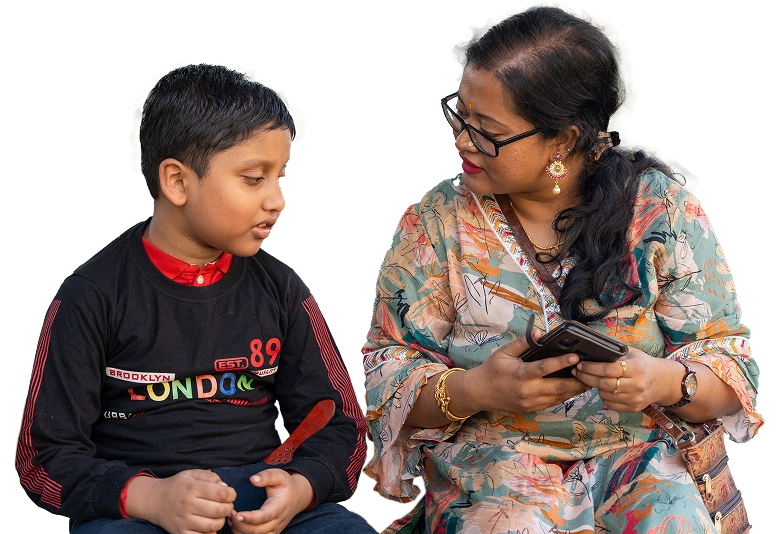
Samaavesh provides a secure and nurturing home.
Training
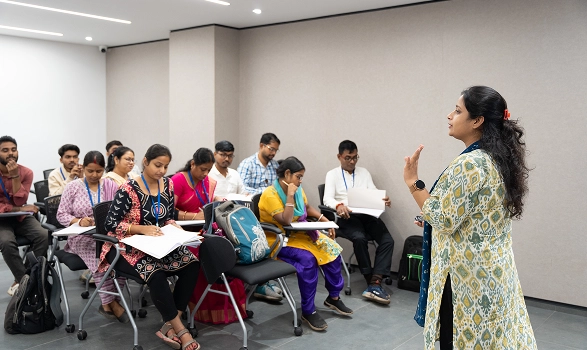
Manan’s immersive programs transform learning.
Research
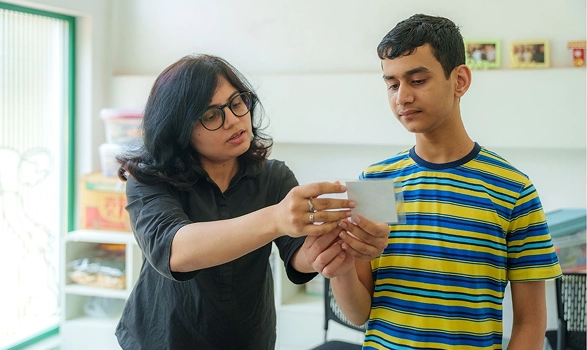
Khoj brings new perspectives to the research field.
What Sets Us Apart
The Promise of A Secure Future
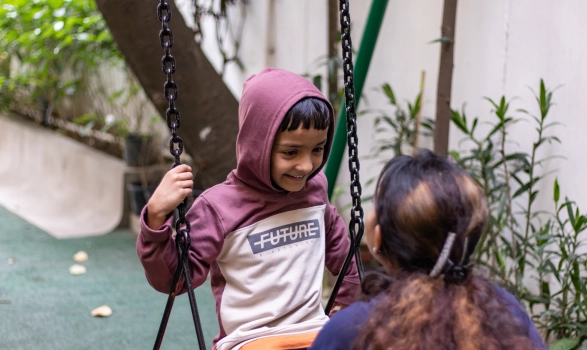
Our personalized care eases the parents’ worries of ‘What after us?’
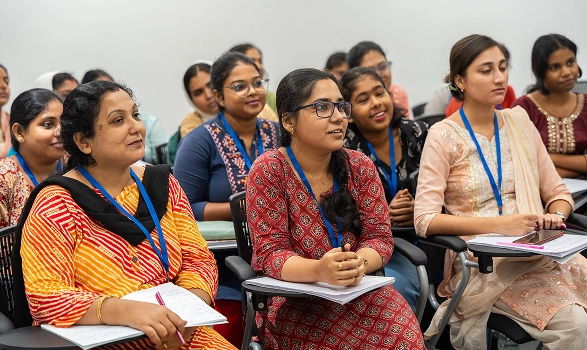
Pathway to an Impactful Career
Our expert training programs open new doors for meaningful careers.
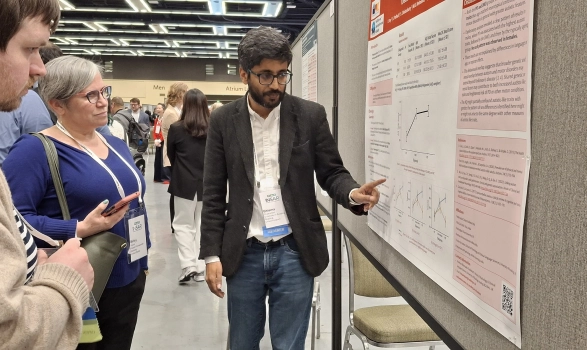
Leading the Way in Research
Our solutions enhance the quality of life for individuals with neurodevelopmental conditions.
Latest From India Autism Center
Autism Succession Planning: Will & Trust Formation Guide
Explore autism succession planning in India, including wills, trusts, legal guardianship and ways to secure long-term care and financial support.
Is ADHD Neurodivergent? Meaning, Traits & What It Means
Discover whether ADHD is neurodivergent, what it means, common ADHD traits, how it differs from autism, diagnosis, and ways to support neurodivergent people.
Types of Intellectual Disability: Levels, Signs & Support
Learn about the four types of intellectual disability, their levels, early signs, causes, diagnosis, and support options for children and families.
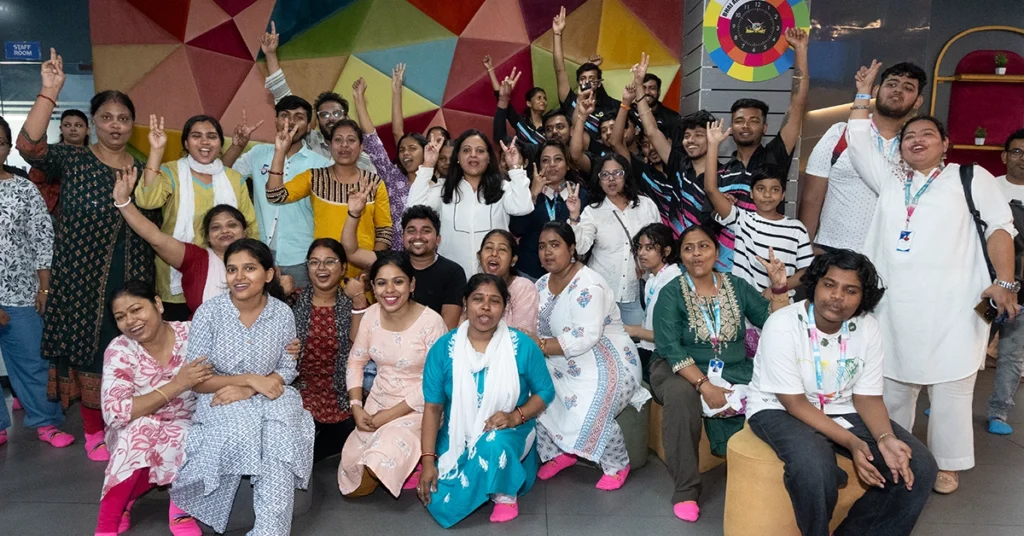
Jump N Joey Inclusive Outing
Explore how the India Autism Center’s Jump N Joey Inclusive Outing provided a fun, recreational experience for neurodivergent children.
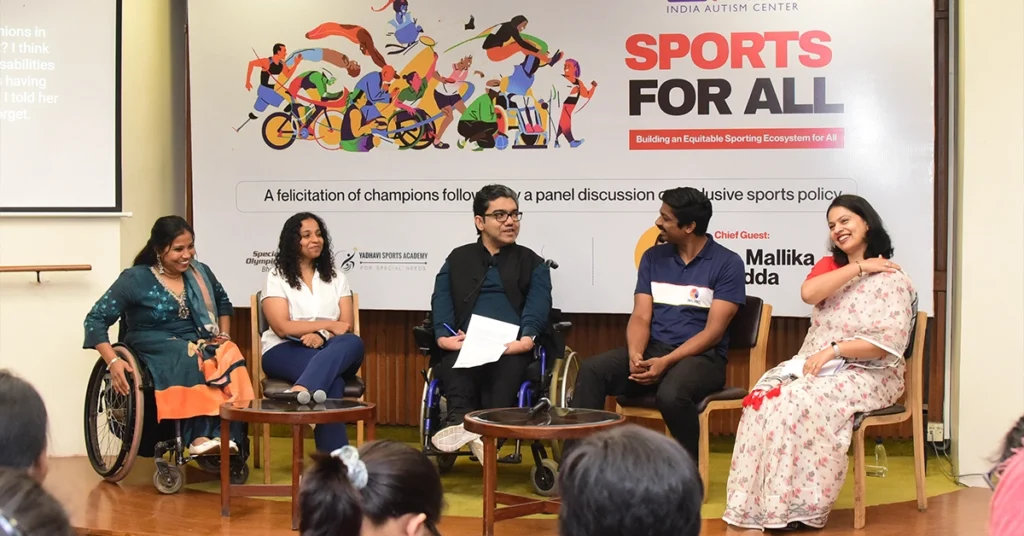
Sports for All
Read about Sports for All, an initiative by the India Autism Center promoting accessible sports for neurodivergent individuals.
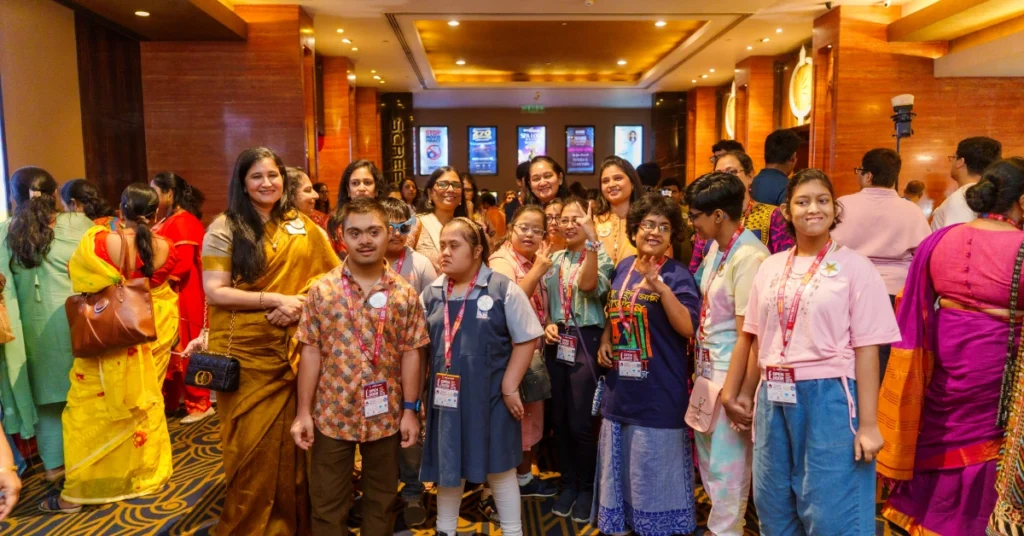
Celebrating Neurodiversity: Special Screening of Sitaare Zameen Par
Discover how India Autism Center celebrated neurodiversity through a special screening of Sitaare Zameen Par, with families & communities.
HERE’S WHAT THEY
SAY ABOUT US

Their residential facility is thoughtfully designed to provide not just care, but a safe, happy, and secure environment where every child feels valued and empowered. With world-class infrastructure, IAC is creating a space where special children can grow with dignity, confidence, and hope.

Pinky Kedia
Parents
We’ve spent years patching together whatever we could find. Samaavesh felt different. Probably because it is envisioned by a father who knows this journey from the inside. For the first time, we’re not afraid of what comes after school.

Manas Ghoshal
Parents
I’ve been following India Autism Center’s work, from their impactful programs to community events. They’re setting a new standard in supporting autistic individuals and redefining meaningful participation. All the best to them in this vital work.

Mansi Sanghvi Bhayani
Founder, Marga – A Wellness Studio
India Autism Center carves a space where developmental differences meet sustained care. Its reach extends beyond quick solutions, providing enduring support both to individuals with autism and the families who walk that path with them.

Dr. Aditi Bandyopadhyay
Assistant Professor, Sarat Chandra Chattopadhyay Govt Medical College & Hospital
In Eastern India, I’ve seen how autism support has often been scattered and confusing, leaving families desperate for clear answers. India Autism Center steps into that gap, providing knowledge, resources, and a community that supports individuals and families.

Dr. Praveenkumar Jakati
Consultant Child & Adolescent Psychiatrist, Institute Of Neurosciences
 Learn More
Frequently Asked Questions
India Autism Center is a non-profit organisation in Kolkata, founded in 2019, that is building a lifelong support ecosystem for individuals with autism and related conditions. It was started by Suresh and Namita Somani, who are parents of a child with autism.
- Samaavesh: Residential campus
- Manan: Training academy for caregivers and support professionals
- Khoj: Research center on autism
IAC’s head office is in central Kolkata, and its residential campus, Samaavesh, is near Sirakol in South 24 Parganas.
- Head office: Room No. A1, 234/3A, A.J.C. Bose Road, FMC Fortuna, 3rd Floor, A3, Kolkata, West Bengal – 700020
- Residential campus: India Autism Center, Samaavesh, Shirakol, Kalitala, Banganagar, P.O. Hashimnagar, PS Falta, South 24 Parganas, West Bengal- 743513
Fill in the enquiry form on the IAC Contact page, or email info@indiaautismcenter.org. For careers, write to careers@indiaautismcenter.org.
IAC supports individuals with autism spectrum disorder (ASD) and intellectual disability (ID). Every applicant goes through a detailed assessment to find the most suitable programme.
- Individuals with suspected autism or related conditions may also be considered after evaluation
- Programmes exist for individuals with higher independence needs as well as those needing round-the-clock support
Yes. IAC accepts applications from international families who need consistent, long-term support for a family member with autism or a related condition.
Family Living is open to individuals of all ages, and children can join from age 3. Community Living is for individuals aged 14 and above. Both are designed to be lifelong.
No. Autism is a lifelong neurodevelopmental difference, not a disease. IAC focuses on building skills, independence, wellbeing, and a meaningful life at every stage.
IAC offers therapies chosen through individual assessment, so each person receives the support that suits them.
- Speech and language therapy
- Occupational therapy
- Animal-assisted therapy
- Vocational training
- Holistic options such as yoga, aqua therapy, Ayurveda and homeopathy
Every care plan is built from standardised assessments and input from a multidisciplinary team. Plans are goal-oriented and reviewed as needs change.
Many can, with the right support. Depending on abilities, support needs, and assessment, residents may live in supported or semi-independent settings within the IAC community.
- Support is matched to each person’s assessment
- The aim is the highest independence and confidence possible
- Support levels can change over time
The Financial Aid Program helps families who cannot afford the full cost of services to access admission and long-term residency at IAC. After a structured assessment, IAC may provide partial financial assistance based on need.
Yes. Aid is considered case by case, and each application is reviewed individually. It is partial, not a full waiver, and families who need support are encouraged to apply.
IAC reviews each application as a whole, looking at:
- Household income
- Assets and investments
- Liabilities and financial obligations
- Family size and dependents
- Long-term care responsibilities
- Extraordinary expenses or hardships
- Ability to contribute towards the cost of care
IAC helps families plan so that their child stays supported and secure even without parents. Planning usually covers guardianship, financial provisions, and continuity of care at Samaavesh.
IAC works with families on long-term planning, including:
- Guidance on legal guardianship
- Nominee and inheritance planning
- Trust formation support
- Financial arrangements and continuity of care
IAC does not offer legal services directly, but it can connect families with empanelled legal professionals who help set up trusts and related structures.
Yes. IAC’s main role as trustee is to look after the resident’s care and support.
- IAC manages the trust according to its terms
- Trust funds can pay for regular care and counselling costs
- All arrangements follow the law and are covered by formal agreements
IAC offers step-by-step help with the legal guardianship process and related paperwork, so families have long-term protection in place.
The Local Level Committee can act. If it finds any criminal act, such as fraud, forgery, defalcation, or breach of trust, it can complain to the area magistrate. It can also ask the aggrieved person to file the complaint and report it to the Committee.